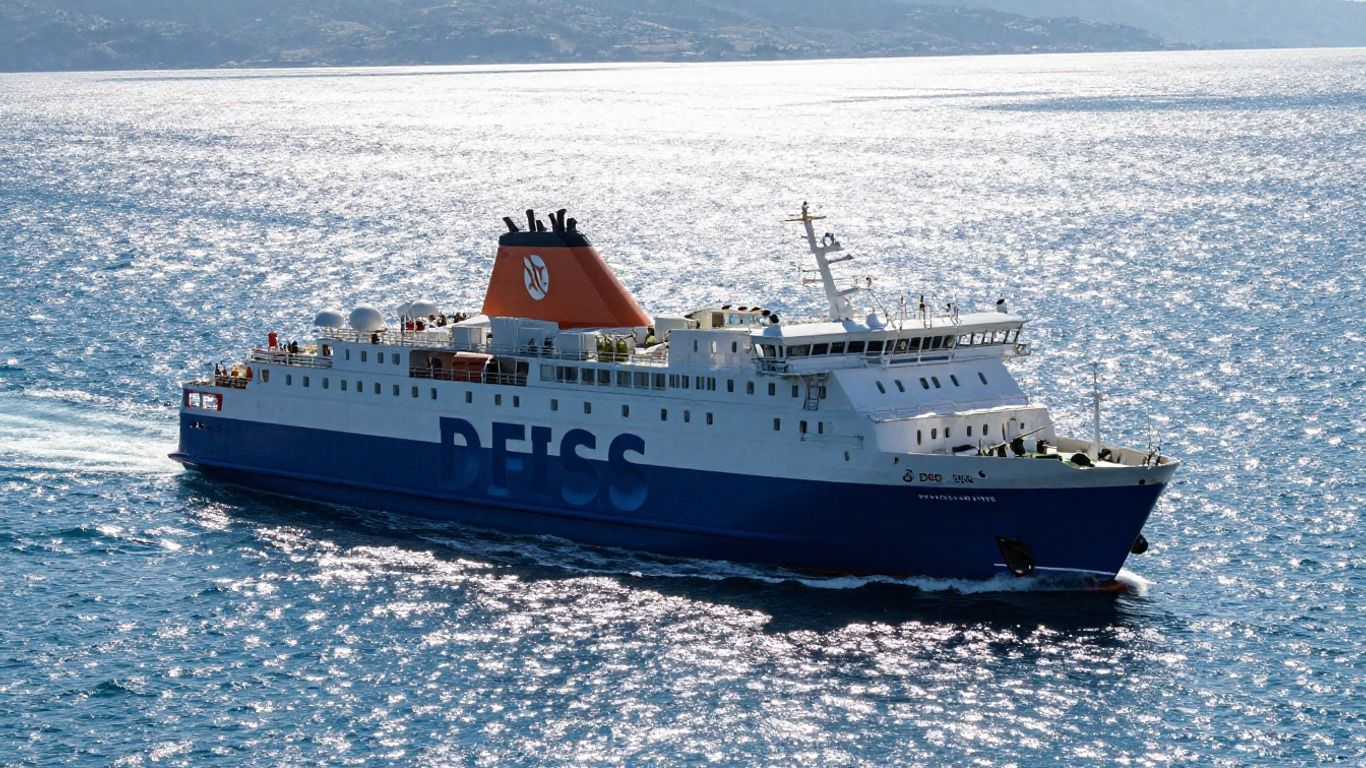
Thinking about your next trip? Maybe a ferry journey across the water? DFDS has a whole network of routes that can get you to some pretty interesting places. It’s not just about getting from A to B; it’s about the journey itself. We’ll look at how you can plan a trip using the DFDS route network and what you can expect along the way. So, if you’re curious about exploring Europe by sea, stick around.
Key Takeaways
- The DFDS route network connects many cities and countries across Northern Europe, offering diverse travel options.
- You can explore different regions like the Baltic Sea, North Sea, and Scandinavia using a DFDS route.
- Planning your trip involves choosing the right DFDS route for your interests and booking your ferry in advance.
- DFDS routes can lead to city breaks, scenic journeys, and family-friendly adventures.
- Making the most of your travel means understanding the different DFDS route options and preparing well for your voyage.
Discovering The DFDS Route Network
An Overview Of The DFDS Route Network
DFDS isn’t just about getting from A to B; it’s about opening up a whole continent for you to explore. They’ve built up a pretty impressive network of ferry routes, connecting places you might not have even thought of travelling to by sea. It’s a fantastic way to see more of Europe without the hassle of airports or endless motorway driving. Think of it as a floating highway, but with better views and more comfortable seating. They cover a lot of ground, from the busy waters of the North Sea to the calmer stretches of the Baltic. It really does give you a lot of options for your next trip.
Navigating The DFDS Route Map
Looking at the DFDS route map can feel a bit like looking at a spiderweb, but in a good way! It shows you just how many connections are out there. You’ve got major hubs like Dover, linking the UK to France, but then it branches out significantly. There are routes heading north towards Scandinavia, east into the Baltic states, and across the North Sea to places like the Netherlands and Germany. It’s worth taking a good look at the map to see what’s within reach. For instance, the Dover to Dunkirk ferry route is a popular choice for getting into mainland Europe quickly.
Key Destinations On The DFDS Route
So, where can you actually go? Well, the list is quite extensive. On the UK side, you’ve got your main departures, but from there, the possibilities really open up. You can head to:
- Northern France: Think charming towns and easy access to the continent.
- The Netherlands & Belgium: Perfect for city breaks or exploring the countryside.
- Scandinavia: Copenhagen, Oslo, and Stockholm are all accessible, offering stunning scenery and vibrant cities.
- The Baltic States: Places like Klaipeda in Lithuania and Karlshamn in Sweden open up a whole different part of Europe.
The sheer variety of destinations means you can plan anything from a short weekend break to a much longer, more adventurous tour of Northern Europe. It’s all about choosing the right starting point and destination for your travel plans.
DFDS has really put together a network that caters to a wide range of travellers, whether you’re looking for a quick hop across the Channel or a more involved journey further afield. Their extensive ferry network across Europe is a testament to that.
Exploring Northern European Adventures Via DFDS
DFDS really opens up a whole chunk of Northern Europe for you. It’s not just about getting from A to B; it’s about the journey itself and what you can discover along the way. Think less about a stressful airport dash and more about a relaxed sea voyage that sets the tone for your holiday.
The Baltic Sea DFDS Route
While DFDS is perhaps best known for its North Sea and Channel crossings, their reach extends into the Baltic. These routes connect key ports, offering a different flavour of European travel. Imagine sailing from Sweden to the Baltics, or vice versa, experiencing the unique cultures and histories of countries like Lithuania, Latvia, and Estonia. It’s a fantastic way to see a part of Europe that many travellers overlook. The Baltic Sea routes are great for those looking for something a bit different, perhaps a road trip through charming coastal towns or exploring historic capitals.
The North Sea DFDS Route
This is probably the most talked-about route, connecting the UK with Northern Europe. The Amsterdam to Newcastle crossing is a popular choice, turning a long journey into an overnight cruise. You can leave your car, relax in a cabin, and wake up ready to explore either the vibrant Dutch capital or the lively city of Newcastle. It’s a proper mini-cruise experience, with restaurants, bars, and entertainment onboard. This route is a smart way to travel if you want to avoid long drives or flights and start your holiday the moment you step on board. It’s a good option for getting to the Netherlands without the hassle of driving through France and Belgium first. You can find out more about the Amsterdam to Newcastle ferry.
Scandinavian Connections With DFDS
DFDS also plays a role in connecting the UK to Scandinavia, often via its other routes. While there might not be a direct ferry from the UK to, say, Oslo or Stockholm, the network allows for clever combinations. For instance, you could take a ferry to France or the Netherlands and then connect with onward travel, or use the North Sea route to get closer to your Scandinavian destination. It’s about piecing together your adventure. The key is to look at the whole network and see how you can link different legs of your journey. It makes exploring countries like Denmark, Sweden, and Norway much more accessible, especially if you’re taking your car.
The beauty of the DFDS network is its ability to link disparate parts of Northern Europe. It’s not just about the direct routes; it’s about the possibilities they create for wider exploration. Think of it as a bridge across the water, connecting you to new experiences and landscapes with relative ease.
Here are a few things to consider when planning a trip using these routes:
- Route Choice: Decide if you want an overnight journey or a shorter crossing. The North Sea route is great for overnight, while routes like Dover to Dunkirk are much quicker.
- Onboard Experience: Some routes offer more in terms of entertainment and dining than others. The longer crossings often have more facilities.
- Destination Focus: Are you heading straight for a city, or do you plan to explore the countryside? Your ferry choice can influence your starting point.
- Vehicle Transport: If you’re taking a car, campervan, or motorcycle, ensure the route you choose accommodates it. Most DFDS routes do, but it’s always worth double-checking.
These Northern European adventures are more accessible than you might think, and DFDS provides a comfortable and convenient way to start them.
Planning Your Journey On A DFDS Route
So, you’ve picked out a fantastic destination with DFDS, but how do you actually get your trip sorted? Planning is key, and with DFDS, it’s usually pretty straightforward. Let’s break down how to book your ferry and make sure you’re ready for the adventure.
Booking Your DFDS Ferry
Booking your ferry crossing is the first big step. You can do this online through the DFDS website, which is generally the easiest way. You’ll need to know your departure port, your destination, your travel dates, and how many people (and vehicles, if applicable) will be travelling. It’s often cheaper to book in advance, especially during peak seasons. Keep an eye out for special offers too; sometimes you can snag a really good deal.
When you book, you’ll get a booking reference. Make sure you keep this safe, as you’ll need it when you check in at the port. For example, if you’re heading from Dover to Calais, you’ll need to arrive at the port with enough time to check in. It’s a good idea to get there at least 90 minutes before your sailing, sometimes even more if you’re travelling with a car. You’ll follow the signs for DFDS check-in lanes, show your booking reference and passports, and then you’ll be directed to your boarding lane. It’s all about following the signs and having your documents ready.
Choosing The Right DFDS Route For You
DFDS has a few different route networks, and picking the right one depends entirely on where you want to go and where you’re starting from. Are you looking for a quick hop across the Channel to France, or are you planning a longer journey up to Scandinavia or across the Baltic?
- Channel Crossings: These are the most frequent and shortest routes, connecting the UK (like Dover) with France (Calais and Dunkirk). Perfect for a spontaneous city break or as a gateway to mainland Europe.
- North Sea Routes: These connect the UK with the Netherlands, typically from Newcastle to Amsterdam. This is a great option if you want to wake up in a new country without the hassle of driving long distances.
- Baltic Sea Routes: DFDS also operates routes in the Baltic, connecting countries like Germany, Sweden, and Lithuania. These are ideal for exploring a wider region of Northern Europe.
Think about how much time you have and what you want to see. A short trip might suit a Channel crossing, while a more extensive exploration could benefit from a North Sea or Baltic route.
Preparing For Your DFDS Voyage
Once you’ve booked, a bit of preparation goes a long way. Make sure all your travel documents are in order – passports, visas if needed, and driving licenses. If you’re taking a vehicle, check that it’s road-legal in the countries you’ll be visiting. This includes things like having the correct headlights and any required stickers.
Pack smart for your ferry trip. Think about what you’ll need during the crossing itself, like snacks, entertainment, or a comfortable neck pillow. Also, consider any specific requirements for your destination, such as currency or local driving laws. Being prepared means you can relax and enjoy the journey from the moment you arrive at the port.
Don’t forget to check the latest travel advice and any specific port information before you leave home. DFDS usually provides updates on their website, and it’s always good to be aware of any potential disruptions. For example, ferry travel between Dover and Calais has specific advice regarding port arrivals and documentation that’s worth reviewing.
Unique Experiences Along The DFDS Route
City Breaks Accessible By DFDS
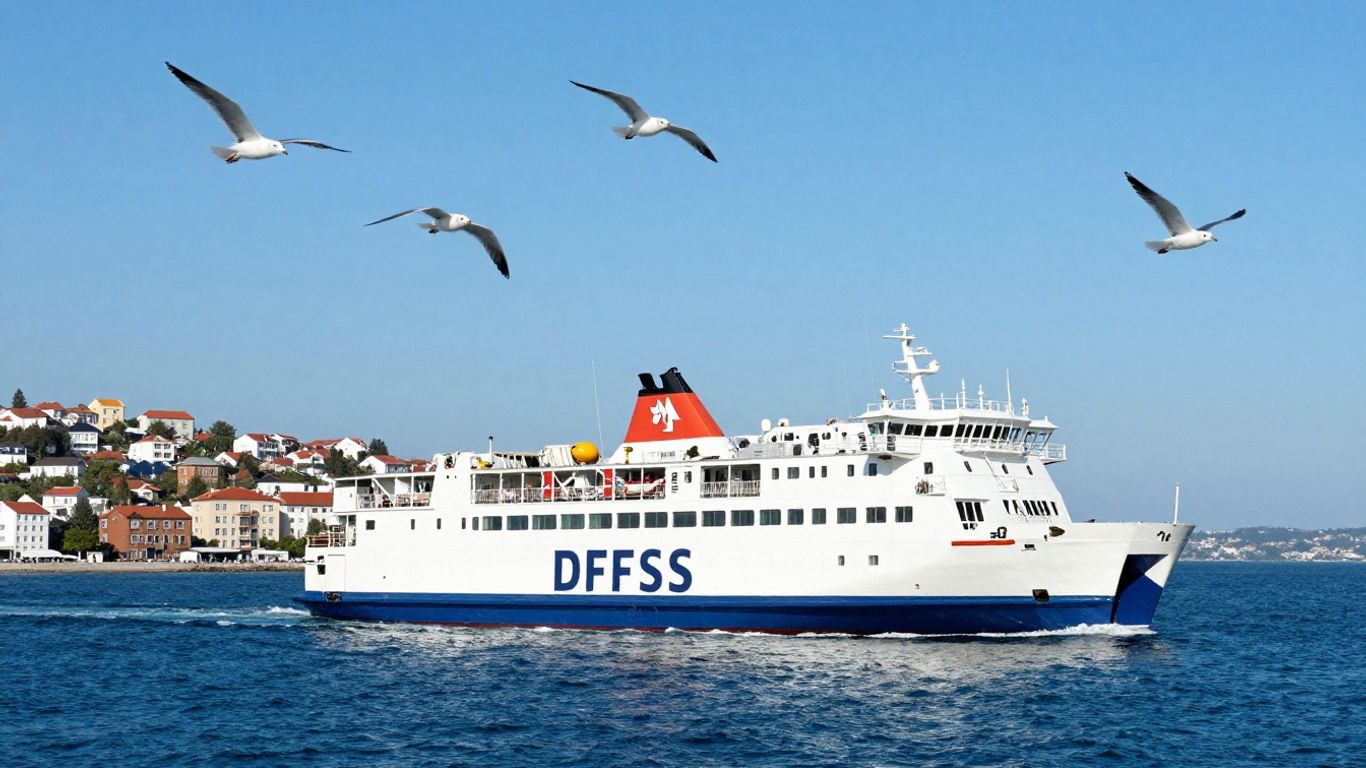
DFDS ferries are a brilliant way to kick off a city break without the hassle of airports. Imagine stepping off the ferry in Amsterdam and being just a short train ride from the city centre. You can explore the canals, visit world-class museums, and soak up the vibrant atmosphere. It’s a really relaxed start to a trip. The same goes for heading to France; a quick hop across the Channel and you’re ready to explore charming towns or bustling cities. This direct access makes spontaneous getaways incredibly easy.
Scenic Journeys On The DFDS Route
While the primary goal might be reaching a destination, the journey itself can be a big part of the fun. The routes across the North Sea, for instance, offer a chance to see the ocean stretch out before you. It’s a different perspective than you get from land. You might even spot some marine life if you’re lucky! For those heading towards Scandinavia, the approach to the coastlines can be quite beautiful, with islands and fjords coming into view. It’s a peaceful way to travel, watching the world go by from the deck.
Family Adventures With DFDS
Travelling with kids can be a challenge, but DFDS routes can make it a lot more manageable. The ferries often have play areas and entertainment, which keeps the little ones occupied. Plus, there’s more space to move around than on a plane. You can grab a meal together in the onboard restaurant, and the novelty of being on a ship is usually a hit. It turns the travel time into part of the holiday. Think about visiting places like Sweden, where you can find unique spots like Öland Island with its castles and beaches, all easily reachable after your ferry journey.
The convenience of not having to pack and unpack multiple times, combined with the onboard amenities, really takes the stress out of family travel. It allows everyone to relax and enjoy the anticipation of the adventure ahead.
Maximising Your Travel With The DFDS Route Network
So, you’ve picked out your dream destination and you’re ready to set sail with DFDS. But how do you make sure your trip is as good as it can be, from start to finish? It’s all about knowing your options and planning a little ahead.
Understanding DFDS Route Options
DFDS has a bunch of different routes connecting the UK with mainland Europe, and even some within Europe itself. It’s not just about getting from A to B; it’s about choosing the route that best suits your holiday plans. For instance, if you’re heading to Belgium or further into Germany, the Dover to Dunkirk ferry is a solid choice. It’s a bit less hectic than the Calais crossing and gets you onto the motorways pretty quickly. Then there are the overnight routes, like Hull to Rotterdam, which are brilliant if you want to save on a hotel for the night and wake up ready to explore the Netherlands.
Tips For A Smooth DFDS Journey
Getting your ferry booked is the first step, and the DFDS website makes that pretty simple. Just pop in your dates, where you’re going, and if you’re taking a car or even a bike. Once that’s sorted, think about what you’ll need on board. Most ferries have shops, restaurants, and places to relax, so you can make the journey part of the holiday. Packing a small bag with essentials like snacks, a book, or some entertainment for the kids can make a big difference, especially on longer trips. Don’t forget to check the weather forecast before you go, too!
- Check-in times: Arrive with plenty of time before your sailing. It’s usually a couple of hours before departure, but always double-check your booking.
- Onboard facilities: Familiarise yourself with what’s available on your specific ferry. Some have more dining options than others.
- Disembarking: Know your onward travel plans from the port. Having a rough idea of directions or public transport will save you time.
Making the most of your DFDS journey involves a bit of foresight. It’s about choosing the right ferry for your destination and needs, and then packing smart so you can relax the moment you step on board. A little preparation goes a long way to ensuring a stress-free start to your adventure.
Exploring Beyond The DFDS Route
While the ferry itself is a great experience, it’s also your gateway to new places. Think about what you want to do once you arrive. Are you planning a city break, a road trip through the countryside, or a family holiday? Your DFDS route can influence this. For example, arriving in France via Dunkirk opens up the Nord-Pas-de-Calais region, but it’s also a good jumping-off point for exploring further afield. Consider combining your ferry trip with other forms of transport, like trains or car hire, to really get the most out of your time in Europe.
So, Where To Next?
Right then, we’ve had a good look at what DFDS can offer for your next trip. It’s pretty clear there are loads of places you can get to with them, whether you fancy a quick city break or something a bit longer. Thinking about it, it’s not just about getting from A to B, is it? It’s about the journey itself, and these ferry routes open up a whole bunch of possibilities you might not have considered before. So, have a think about where you fancy going, check out the DFDS map, and maybe your next adventure is just a ferry ride away. Happy travels!
Frequently Asked Questions
What exactly is the DFDS route network?
Think of the DFDS route network as a bunch of different ferry paths that DFDS ships travel on. They connect various cities and countries, mainly around Northern Europe. It’s like a water highway system for getting between places like the UK, France, Denmark, and more.
How do I pick the best DFDS route for my trip?
It really depends on where you want to go! If you fancy a trip from the UK to France, that’s one route. If you’re dreaming of exploring Denmark or Norway, there are other routes for that. Look at a DFDS map and see which starting point and destination fits your holiday plans best.
Can I take my car on a DFDS ferry?
Absolutely! A big plus with DFDS ferries is that you can usually take your car, motorbike, or even a bicycle along with you. This makes it super handy if you want to explore your destination by road once you arrive.
What kind of things can I do on a DFDS ferry trip?
DFDS ferries aren’t just about getting from A to B; they’re part of the holiday! You can enjoy meals in restaurants, relax in bars, do some shopping, and even find entertainment. Some longer journeys have cabins where you can sleep comfortably.
Are DFDS routes good for short breaks or longer holidays?
Both! You can use DFDS for quick city breaks, like popping over to Amsterdam from the UK for a weekend. Or, you can use them as part of a bigger adventure, perhaps travelling through several countries over a few weeks. The routes are quite flexible.
What should I pack for a DFDS ferry journey?
Pack like you would for any trip. Bring comfortable clothes, any personal items you need, and maybe a book or some games for the journey. If you’re travelling in colder months, definitely pack warm layers. Don’t forget your travel documents, of course!